


Eligibility

Duration

Language

Mode Of Courses
Course Description

This course will cover the fundamentals of Ayurvedic medical science, including its basic principles and philosophy, as well as an introduction to Ayurvedic anatomy and physiology. It will also cover an understanding of diet therapy, including the indications and contraindications of various foodstuffs and dietary habits in different diseases. This course will be delivered through lectures, discussions, practical classes, and self-learning. The course will be assessed through continuous in-course assessments and a final examination. Successful candidates will be awarded a certificate. We conduct online and classroom Ayurveda courses in Kolhapur, offering flexible learning options.
General Aims of the Course
This short-term course aims to provide basic knowledge of diet therapy. It is designed to encourage and fulfill individuals eager to expand their knowledge and update themselves on Ayurveda, offering a healthcare system that can be useful for maintaining good health. The course is primarily intended for individuals with a background in science, such as pharmacists, nurses, and science graduates.
- Basic Principles & Philosophy of Ayurveda
(Lecture – 1 Hrs, Practicals – 0 Hrs & Self -Study – 1 Hrs) - History of Ayurveda
(Lecture – 1 Hrs, Practicals – 0 Hrs & Self -Study – 1 Hrs) - Introduction to Ayurvedic Physiology (Doshas, Dhatus, Upadhatus, Malas, Srotas, Agni and Ama)
(Lecture – 1 Hrs, Practicals – 0 Hrs & Self -Study – 1 Hrs) - Ahara Pachan Kriya
Concept of Agni & their types
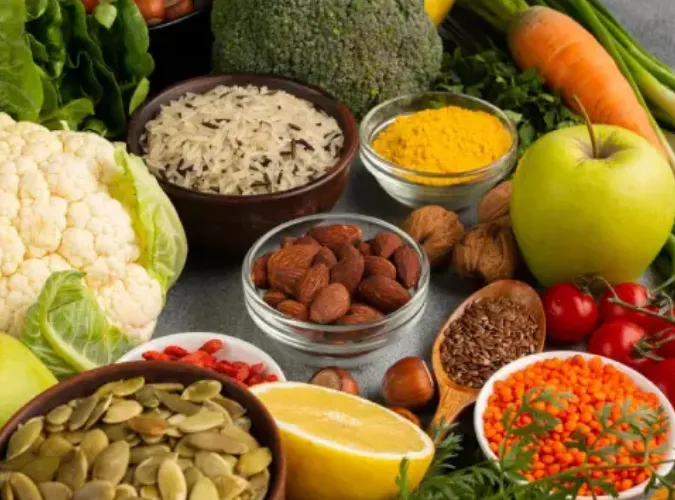
Concept of Ahara and its importance in health and disorders.
Principles of Balanced Diet
Shadarasatmak Ahara and their sevan vidhis
(Lecture – 1 Hrs, Practicals – 0 Hrs & Self -Study – 1 Hrs) - Ahara Parinamkarak Bhavas (Factors responsible for digestion)
Rules of taking Ahara
(Lecture – 1 Hrs, Practicals – 0 Hrs & Self -Study – 1 Hrs) - Ritucharya related food (Ahara) and Dinacharya related food (Ahara)
(Lecture – 1 Hrs, Practicals – 0 Hrs & Self -Study – 1 Hrs) - Relation of Prakruti and Ahara
(Lecture – 1 Hrs, Practicals – 0 Hrs & Self -Study – 1 Hrs) - Types of foods like Cereals,pulses,vegetables, fruits and their properties
(Lecture – 1 Hrs, Practicals – 0 Hrs & Self -Study – 1 Hrs) - Types of Drinks and their properties
(Lecture – 1 Hrs, Practicals – 0 Hrs & Self -Study – 1 Hrs) - Virrudha ahara concept (Incompatible food)
(Lecture – 1 Hrs, Practicals – 0 Hrs & Self -Study – 1 Hrs) - Importance of Veg & Non-veg food as per Ayurveda
(Lecture – 1 Hrs, Practicals – 0 Hrs & Self -Study – 1 Hrs) - Importance of food timing (Anna grahan kaal)
(Lecture – 1 Hrs, Practicals – 0 Hrs & Self -Study – 1 Hrs) - Symptoms of proper/improper digestion of food
(Lecture – 1 Hrs, Practicals – 0 Hrs & Self -Study – 1 Hrs) - Properties & Importance of sneha varga food like ghee, oils etc
(Lecture – 1 Hrs, Practicals – 0 Hrs & Self -Study – 1 Hrs) - Pathya – apathya in various diseases
(Lecture – 1 Hrs, Practicals – 0 Hrs & Self -Study – 1 Hrs) - Balanced Diet & Deficiency
(Lecture – 1 Hrs, Practicals – 0 Hrs & Self -Study – 1 Hrs) - Various method of cooking
(Lecture – 1 Hrs, Practicals – 5 Hrs & Self -Study – 1 Hrs) - Some of Ayurvedic home-made receipes
(Lecture – 1 Hrs, Practicals – 5 Hrs & Self -Study – 1 Hrs) - Diet & lifestyle acc.to various disorders
(Lecture – 1 Hrs, Practicals – 0 Hrs & Self -Study – 1 Hrs) - Scope of dietician in India as well as abroad. For Food industry, Hospitals & Ayurvedic wellness centers, etc
(Lecture – 1 Hrs, Practicals – 0 Hrs & Self -Study – 1 Hrs)
(Online Lectures on above topics will be conducted – 20 hours, some online & offline practical’s will be conducted – 10 hours and also Self-study for the students – 10 hours.)
Modes of Assessment Weightage:
- Continuous Assessment (Theory and Practical Demonstrations): 50%
- Final Examination: 50%
- Total: 100%
A minimum attendance of 75% in theory and practical classes is required.
Note :
- Individuals who have completed the Introductory Course and can produce a certificate only need to study the topics in italics.
- The right to practice is governed by local laws, depending on the knowledge and skills they have gained.
- It is advisable to undergo the High Proficiency Course in Basic Principles of Ayurveda for a better understanding of this course.
- This is not a graduate or doctoral course; it is intended for the dissemination of Ayurveda knowledge.
Disclaimer*: The certificate holders can offer their services as per the terms and conditions laid down by the law of the land of the concerned authority.